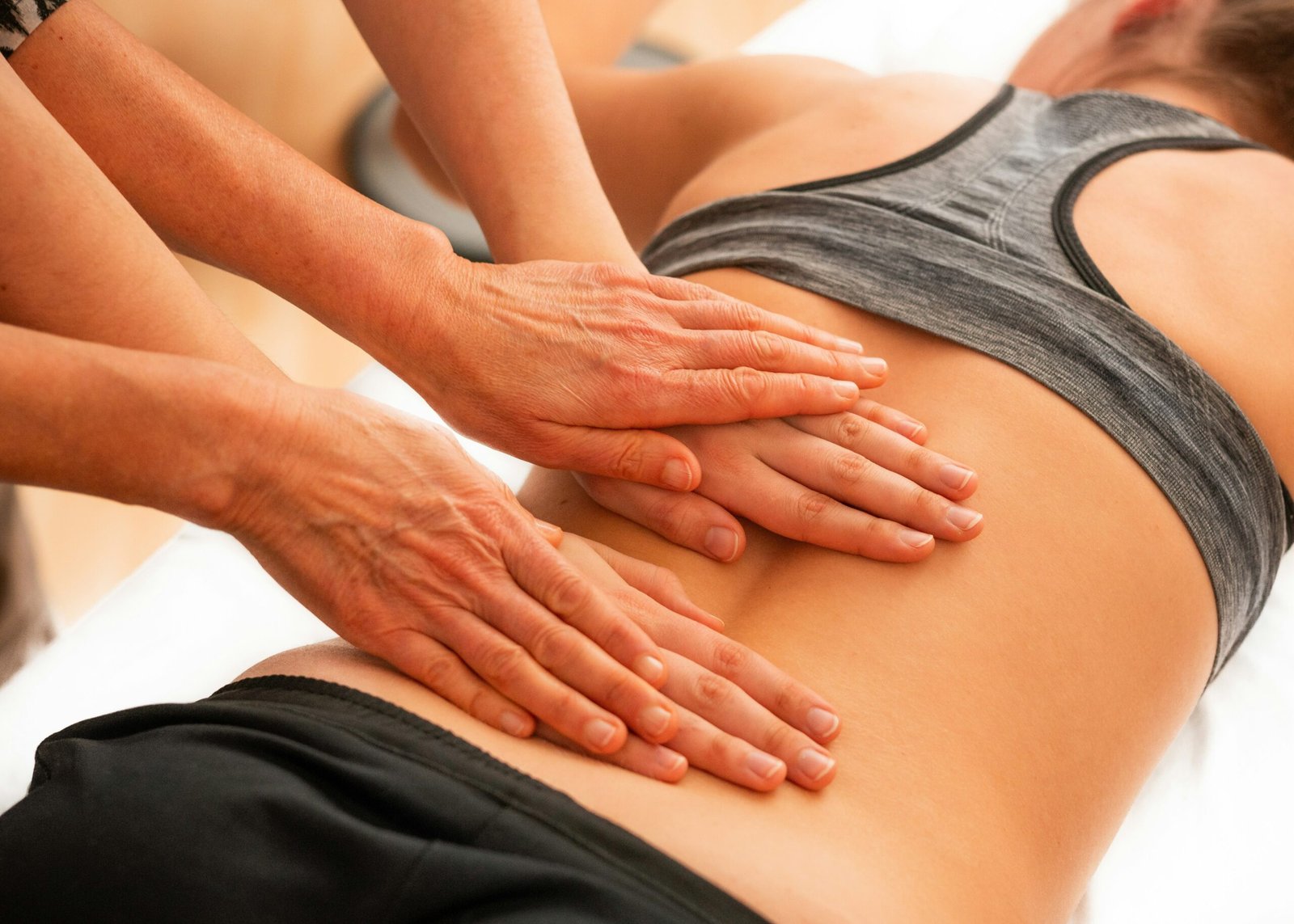

Muscle tension is something most of us deal with regularly. Whether it’s from a long day hunched over a computer, a tough workout, or just the general stresses of life, our muscles can get tight and sore. Massage therapy offers a way to address this tension without needing quick fixes. It’s a hands-on approach that works with your body’s natural systems.
Understanding Muscle Tension
Before we talk about how massage helps, it’s useful to understand what muscle tension actually is. Muscles are designed to contract and relax. When they get stuck in a contracted state, or when they don’t fully relax afterward, we feel that tightness. This can happen for many reasons.
Common Causes of Muscle Tightness
- Repetitive Strain: Doing the same motion over and over, like typing or lifting, can overload specific muscle groups. This leads to micro-injuries that cause the muscles to tighten up in an attempt to protect themselves.
- Poor Posture: Slouching, sitting with uneven weight distribution, or holding your head forward for extended periods puts constant strain on certain muscles. For example, tight neck and shoulder muscles often come from poor desk posture.
- Stress and Emotional Tension: When we’re stressed, our bodies naturally tense up. This is a leftover reflex from our ancestors for fight or flight. Even if consciously we haven’t moved, our muscles can be holding that tension, leading to chronic tightness in areas like the jaw, shoulders, and back.
- Lack of Movement: While overuse can cause problems, so can a lack of sufficient movement. When muscles aren’t used regularly, they can become stiff and less flexible.
- Dehydration: Muscles need water to function properly. When you’re dehydrated, your muscles can cramp more easily and become tighter.
The Body’s Response to Tension
When muscles are tense, they can restrict blood flow. This means less oxygen and nutrients reach the muscle tissue, and waste products like lactic acid can build up. This buildup can further contribute to soreness and stiffness. The body’s automatic response to pain or injury is often to tighten the surrounding muscles as a protective mechanism, sometimes creating a cycle of tension that’s hard to break on your own.
In addition to exploring the benefits of massage therapy for relieving muscle tension naturally, you may find it helpful to read about various wellness specials that can enhance your overall health. For more information on these offerings, check out this related article on wellness specials at Light Within the Core. This resource provides insights into various treatments and packages that can complement your massage therapy experience, promoting relaxation and well-being.
How Massage Works on Tight Muscles
Massage therapy is a direct way to influence these tight muscles. A skilled therapist uses various techniques to encourage your muscles to release. It’s not about forcing them, but about creating conditions for them to relax naturally.
The Role of Touch
The power of touch itself is significant. A gentle, firm touch can signal safety to the nervous system. When the nervous system feels safe, it can switch out of “fight or flight” mode and allow the muscles to soften.
Basic Massage Techniques for Tension
Therapists employ a range of techniques. Some of the most common for muscle tension include:
- Effleurage: This is typically the initial stroke, a gliding, stroking motion. It warms up the muscles and spreads oil or lotion. It also helps to improve circulation and prepare the tissues for deeper work.
- Petrissage: This involves kneading, lifting, and squeezing the muscles. It’s like giving your muscles a good workout without you having to do anything. This helps to break up adhesions and improve flexibility.
- Friction: This is a deeper, more circular or cross-fiber movement. It’s often used on specific tight spots, or trigger points, to help release fascial restrictions and break down scar tissue.
- Tapotement: This is a rhythmic tapping or pounding motion. It can be stimulating to the muscles and help to increase blood flow. Strokes like hacking or cupping are examples of tapotement.
Direct Physical Effects of Massage
Beyond the general relaxation, massage has specific physical effects that directly combat muscle tension. These effects are based on how our bodies are structured and how they respond to different types of pressure and movement.
Improving Blood Flow and Circulation
When muscles are tight, blood flow to them is often reduced. Massage strokes, especially the gliding ones like effleurage, help to push blood through the constricted areas. This increased circulation brings fresh oxygen and nutrients to the muscle tissues. It also helps to remove metabolic waste products that contribute to soreness and fatigue. Think of it like flushing out a clogged pipe; the massage helps to clear the way for better flow.
Releasing Myofascial Restrictions
Our muscles are surrounded by a connective tissue called fascia. Fascia is like a web that covers and supports our muscles. When we experience prolonged tension or injury, fascia can become tight and restrict muscle movement. Massage therapists can work on releasing these fascial restrictions. This can involve stretching the fascia or using techniques that encourage it to soften. When stuck fascia is released, muscles have more room to move and function properly, which directly reduces the feeling of tightness.
Working on Trigger Points
Trigger points are small, hyper-irritable knots within a muscle. They can cause local pain and also refer pain to other areas of the body. For example, a trigger point in the neck might refer pain to the head, causing headaches. Massage therapy, particularly techniques like deep tissue work or specific trigger point therapy, can help to deactivate these knots. Applying sustained pressure to a trigger point encourages it to release its contraction, often leading to an immediate reduction in pain and improved muscle function.
Sure, here is the sentence with the clickable link:
I highly recommend checking out the bodywork sessions at https://lightwithinthecore.com/bodywork/ for a truly transformative experience.
The Nervous System’s Role in Tension Relief
It’s not just about the physical manipulation of muscles. Massage therapy profoundly affects the nervous system, which plays a crucial role in regulating muscle tone.
Activating the Parasympathetic Nervous System
Our nervous system has two main branches: the sympathetic (fight or flight) and the parasympathetic (rest and digest). When we are tense, stressed, or in pain, our sympathetic nervous system is often dominant. This keeps muscles in a state of readiness. Massage is excellent at activating the parasympathetic nervous system. This shift signals to the body that it’s safe to relax. When the parasympathetic system is engaged, heart rate slows, breathing deepens, and importantly for muscle tension, muscles begin to release their contracted state.
Reducing Stress Hormones
Stress leads to the release of hormones like cortisol. Elevated cortisol levels can contribute to muscle tightness and inflammation. Studies have shown that massage therapy can help reduce cortisol levels in the body. By lowering these stress hormones, massage therapy helps to break the cycle of stress and muscle tension.
Sensory Input and Relaxation Signals
The gentle, firm pressure of massage provides sensory input to the skin and deeper tissues. This input is interpreted by the nervous system as calming and reassuring. It can positively influence nerve pathways that control muscle tone and pain perception. Essentially, the feeling of being cared for and having your body attended to can send signals throughout your nervous system that encourage relaxation and soothe overactive pain signals.
Massage therapy is widely recognized for its ability to alleviate muscle tension naturally, promoting relaxation and overall well-being. For those interested in exploring more about the benefits of holistic approaches to health, you might find this insightful article on natural wellness techniques particularly helpful. It delves into various methods that complement massage therapy, enhancing its effectiveness in relieving stress and tension in the body.
Long-Term Benefits for Muscle Health
Massage therapy isn’t just a temporary fix for muscle tension. Regular sessions can contribute to better muscle health over time, making your muscles more resilient and less prone to future tightness.
Increased Muscle Flexibility and Range of Motion
When muscles are consistently tight, they limit how much you can move. Massage helps to lengthen muscle fibers and release restrictions in the connective tissues. This leads to improved flexibility. As muscles become more flexible, your joints can move through their full range of motion more easily. This can make everyday activities feel lighter and reduce the risk of injury during physical activity.
Breaking Chronic Tension Cycles
For people who experience chronic muscle tension, massage can be a powerful tool to break persistent cycles. By regularly addressing areas of tightness and encouraging relaxation, massage helps to retrain the muscles and the nervous system. Over time, the body can learn to hold less tension. It’s about creating new habits for your muscles and nervous system, moving away from habitual states of tightness.
Supporting Recovery from Physical Stress
Whether it’s from demanding sports, physically challenging jobs, or even intense everyday tasks, our bodies accumulate stress. Massage can support the body’s natural recovery processes. By improving circulation, reducing inflammation, and releasing tight muscles, massage helps the body repair itself more efficiently. This can lead to faster recovery times and reduced feelings of soreness and stiffness after physically demanding periods.
Integrating Massage into Your Well-being
Considering massage therapy as part of your ongoing self-care can be very beneficial. It’s a proactive step towards managing muscle tension and improving your overall sense of physical comfort.
Finding a Qualified Practitioner
When you decide to try massage for muscle tension, look for a licensed or certified massage therapist. They have undergone training and adhere to professional standards. Talking with potential therapists beforehand about your concerns – like specific areas of tension or any physical limitations you have – can help you find someone who is a good fit for your needs.
Communicating with Your Therapist
During your session, don’t hesitate to communicate. Let your therapist know if a particular area is more sensitive, if a certain pressure is too much or too little, or if you have any feedback about how the session is progressing. They rely on your input to adjust their techniques and provide the most effective massage for you. Clear communication ensures you get the most out of your session.
Following Up After a Session
After a massage, it’s common to feel a sense of relaxation, but also sometimes a bit of temporary soreness as your muscles adjust. Drinking plenty of water is important to help flush out any waste products released during the massage. Gentle movement can also be beneficial. If you have specific exercises or stretches your therapist recommends, consider incorporating them into your routine between sessions. This helps to maintain the work done during the massage and further support muscle health. Massage therapy is a practical, hands-on approach to natural healing that can bring real relief from the discomfort of muscle tension.