
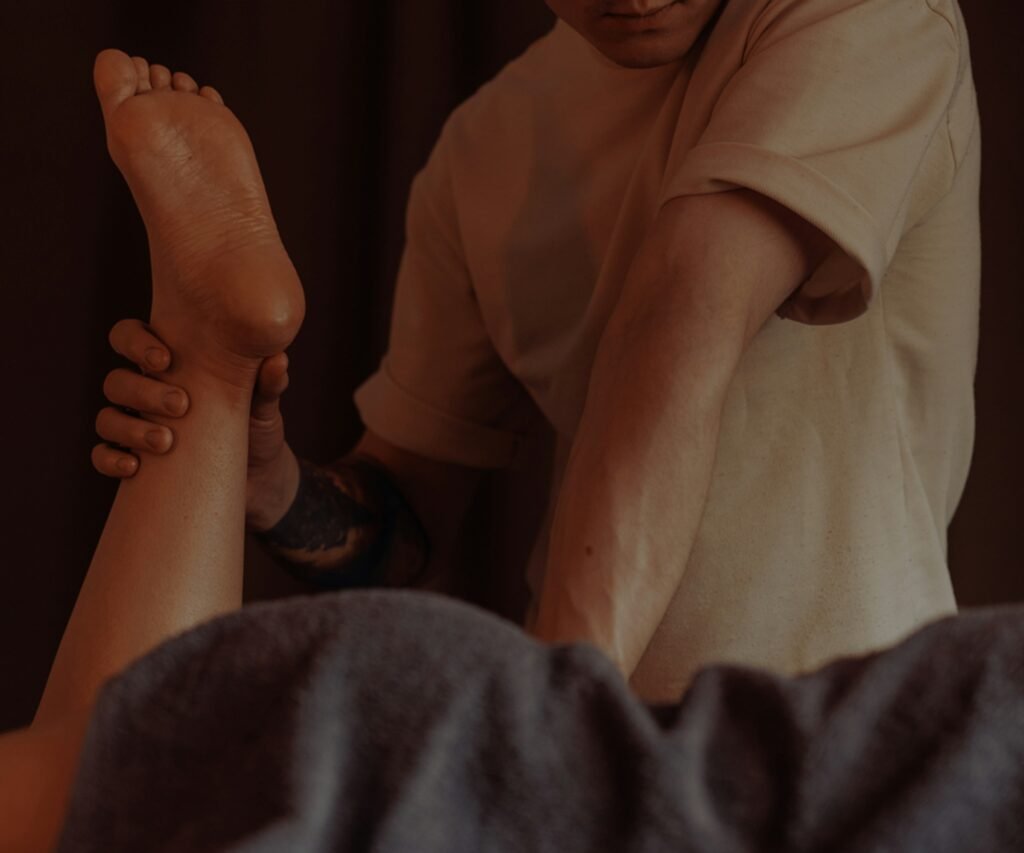
Deep tissue massage often comes up in conversations about managing muscle pain and stiffness. It’s a type of bodywork that many people find helpful for specific issues. Understanding what it involves and when it might be a good fit can help you decide if it’s right for you.
Deep tissue massage focuses on the deeper layers of muscle tissue, tendons, and fascia—the protective layer surrounding muscles, bones, and joints. A practitioner uses sustained pressure and slow, deliberate strokes. They apply pressure with their thumbs, knuckles, elbows, forearms, and sometimes even their feet. This isn’t just a deeper version of a Swedish massage; it targets specific problem areas.
The goal is to break down adhesions or “knots” that can form in muscles. These adhesions can block circulation, cause pain, limit movement, and lead to inflammation. By applying firm pressure, a therapist aims to release these adhesions and restore more normal tissue movement.
How Does it Differ from Other Massage Types?
Swedish massage primarily focuses on relaxation and general muscle tension. It uses lighter, flowing strokes. Deep tissue massage, on the other hand, targets chronic muscle pain and specific areas of stiffness or injury. While a Swedish massage often covers the whole body, a deep tissue session might focus on just a few muscle groups.
Another difference is the client’s experience. A Swedish massage is typically very comfortable and relaxing throughout. Deep tissue massage can sometimes involve discomfort, especially when a therapist works on a particularly tight or knotted area. It’s often described as “good pain” because it feels like the therapist is addressing the core issue. However, it should never be excruciating.
Deep tissue massage is a therapeutic technique that focuses on relieving tension in deeper layers of muscle and connective tissue. For those interested in exploring more about the benefits and applications of various massage therapies, you can check out a related article that discusses different types of massages and their specific uses. To learn more, visit this link for additional insights and resources.
When Might Deep Tissue Massage Be Helpful?
People often seek deep tissue massage for ongoing muscle problems, rather than just for general relaxation. It can be a part of managing chronic conditions or recovering from certain types of injuries.
Chronic Pain
Many people with long-term muscle pain find relief with deep tissue work. This includes conditions like stiff necks, sore shoulders, low back pain, and tight hamstrings. The sustained pressure can help release chronic patterns of tension that contribute to ongoing discomfort.
For example, someone who sits at a desk all day might develop tightness in their upper back and shoulders. A deep tissue therapist can work on those specific muscles to help ease that chronic tension.
Postural Problems
Poor posture can lead to muscle imbalances and persistent discomfort. When certain muscles become chronically tight or shortened from poor posture, others might become stretched and weak. Deep tissue massage can target the tight muscles, helping them lengthen and allow for better alignment. This isn’t a quick fix, but it can be a supporting element in a broader approach to improving posture.
Muscle Injury Recovery
After a muscle strain or sprain has passed its acute inflammatory phase (typically 48-72 hours after injury), deep tissue massage can be a part of the recovery process. It can help loosen tight scar tissue that forms after an injury, which can otherwise restrict movement and cause ongoing pain. By working on the surrounding muscles, it can also help restore range of motion. It’s important to remember that massage should not be applied directly to an acute injury or highly inflamed area. Always consult with a healthcare professional before seeking massage for an injury.
Repetitive Strain Injuries
Activities that involve repetitive movements, like using a computer mouse for hours, playing certain sports, or performing specific manual labor tasks, can lead to conditions like carpal tunnel syndrome, tennis elbow, or rotator cuff issues. Deep tissue massage can help address the muscle imbalances and adhesions that develop from these repetitive motions. It can help reduce pain and improve function in affected areas.
What to Expect During a Deep Tissue Massage

Knowing what happens during a session can make the experience more comfortable.
Consultation
A good deep tissue massage session always starts with a conversation. The therapist will ask about your health history, any pain or discomfort you’re experiencing, and what you hope to achieve from the session. This is an important step to ensure the massage is appropriate for your situation and to identify any areas of concern. Be open and honest about your pain levels and any medical conditions.
The Application of Pressure
The therapist will use various techniques, applying firm, sustained pressure. They might use their thumbs, elbows, or forearms. You might feel a sensation of deep pressure, and sometimes a “hurting good” feeling as they work on a tight spot. It’s crucial to communicate with your therapist about the pressure level. You should feel challenged, but not in unbearable pain. If you feel sharp pain, stinging, or numbness, tell your therapist immediately. They can adjust their technique or pressure.
Post-Massage Sensations
It’s common to feel some soreness or tenderness in the treated areas for a day or two after a deep tissue massage. This is normal and often compared to the feeling after a good workout. Drinking plenty of water after your session can help flush out metabolic waste products released from your muscles. Taking a warm bath or shower can also help ease any post-massage discomfort.
Sure, here is the sentence with the clickable link:
I highly recommend checking out the bodywork sessions at https://lightwithinthecore.com/bodywork/ for a truly transformative experience.
Potential Side Effects and Considerations

While generally safe, deep tissue massage isn’t for everyone, and it’s good to be aware of potential reactions.
Bruising and Soreness
Mild bruising can sometimes occur, especially if pressure is applied intensely to a very tight area. This is usually temporary. As mentioned, soreness is a common and expected side effect. If soreness is severe or lasts longer than a couple of days, check in with your massage therapist or healthcare provider.
Other Health Conditions
People with certain medical conditions should exercise caution or avoid deep tissue massage. This includes individuals with bleeding disorders, those taking blood thinners, people with severe osteoporosis, or anyone with cancer (especially if it has spread to bones). If you have open wounds, skin infections, or acute inflammation, deep tissue massage is not appropriate for those areas.
Always discuss your full medical history with your massage therapist and, if you have a significant medical condition, consider getting clearance from your doctor before booking a session.
Deep tissue massage is a therapeutic technique that focuses on the deeper layers of muscle and connective tissue, making it particularly effective for chronic pain and tension relief. For those interested in exploring the benefits of this massage style further, a related article can provide valuable insights into its various applications and techniques. You can read more about it in this informative piece on Light Within the Core, which discusses how deep tissue massage can enhance overall well-being and promote relaxation.
Finding a Qualified Practitioner
The skill of the therapist is very important when it comes to deep tissue massage.
Certification and Experience
Look for a massage therapist who is licensed or certified in your region. This ensures they have met certain educational and training standards. Experience in deep tissue massage is also a good indicator. Ask about their background and how long they’ve been practicing this specific type of bodywork.
Communication Style
A good therapist will be a good communicator. They should listen to your concerns, explain what they’re doing, and check in with you about the pressure and your comfort level throughout the session. Feeling heard and respected is a key part of an effective therapeutic relationship.
Deep tissue massage is a specific form of bodywork aimed at addressing chronic muscle tension, knots, and pain. It’s not a gentle, relaxing massage, but a focused approach that can be very helpful for particular issues. Understanding what it entails, when it might be useful, and what to expect can help you make an informed decision about whether it fits your needs. Always communicate openly with your therapist and prioritize your comfort and well-being.