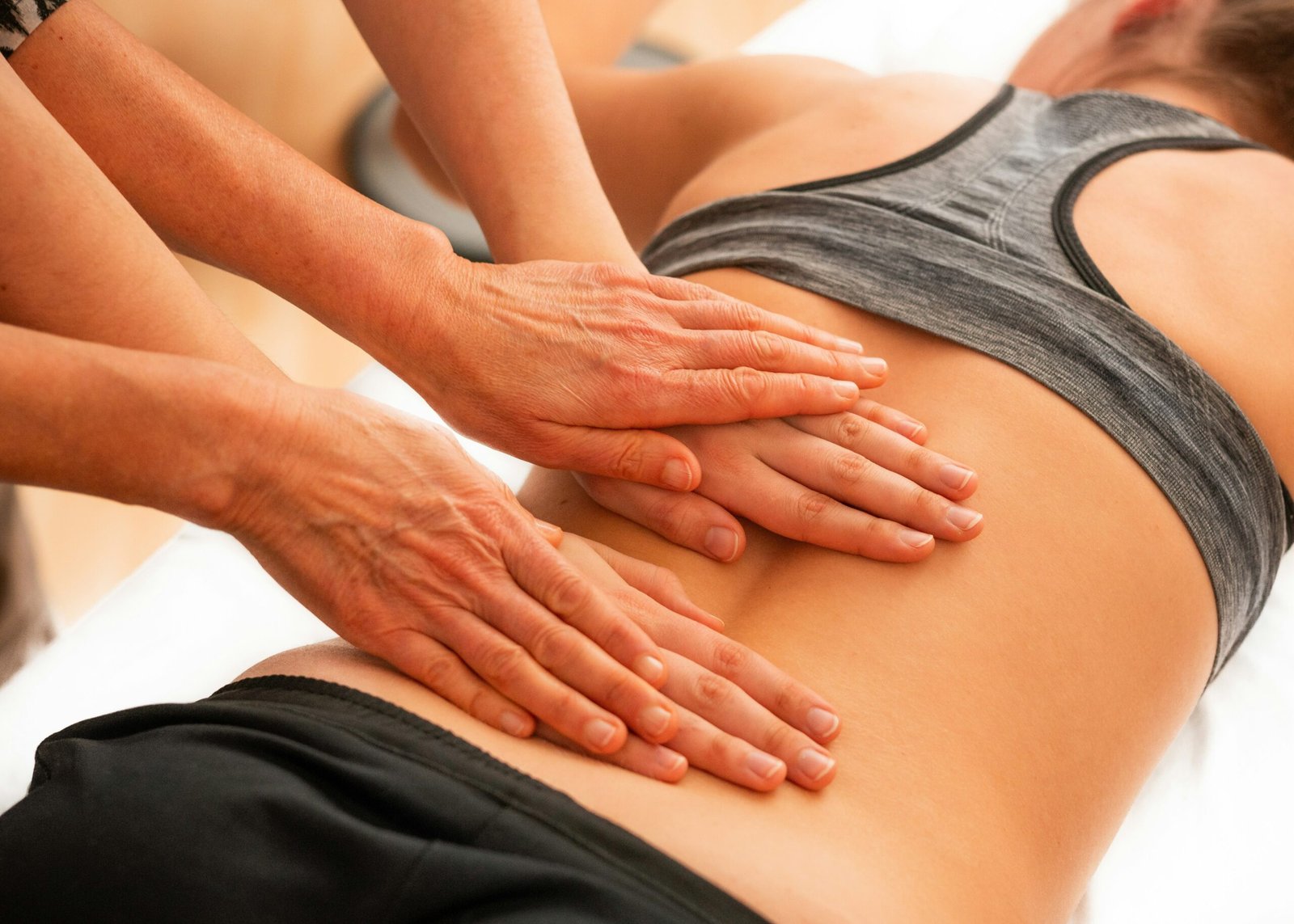
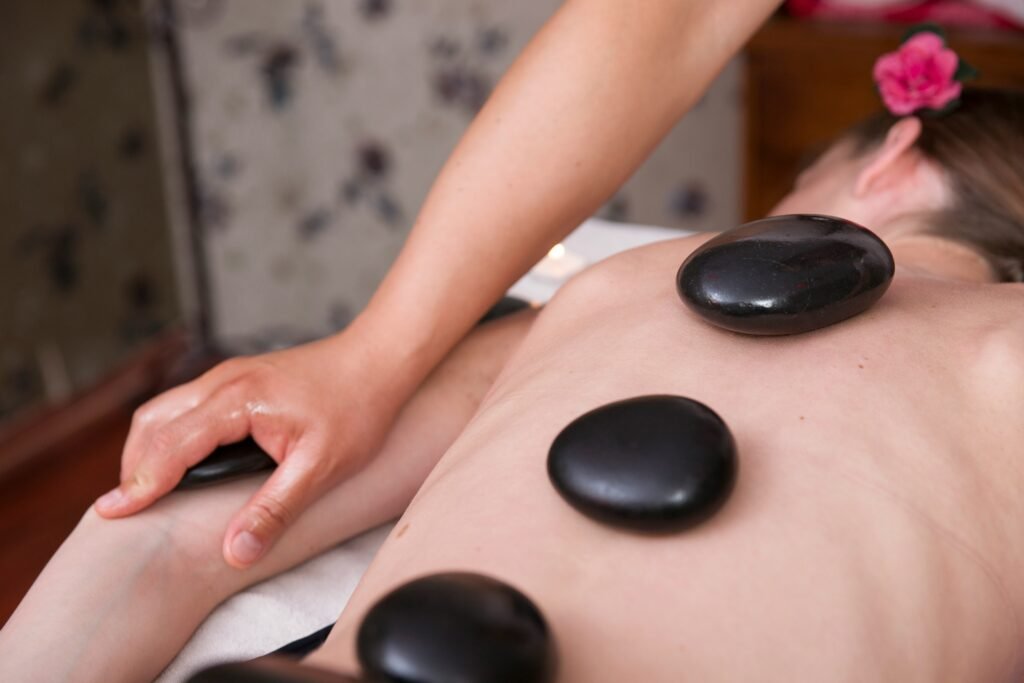
Therapeutic massage offers more than just a momentary break from a busy day. Many people find it a practical way to address persistent stress, muscle tension, and various types of pain. It involves skilled touch to manipulate the body’s soft tissues, including muscles, connective tissue, tendons, and ligaments. This hands-on approach aims to improve circulation, reduce muscle tightness, and promote a sense of overall well-being.
The techniques used in therapeutic massage range widely. A practitioner might use long, flowing strokes, kneading, rhythmic tapping, or deeper pressure. The specific approach depends on the individual’s needs and what the therapist observes during a session. It’s a collaborative process, with communication between client and therapist being key to a beneficial experience.
Understanding the Basics of Therapeutic Massage
Therapeutic massage is not a one-size-fits-all solution. It’s a broad term encompassing several different massage styles, each with its own focus and technique. Swedish massage, for instance, often uses lighter, gliding strokes to promote relaxation and improve circulation. Deep tissue massage, on the other hand, targets deeper layers of muscle and connective tissue, aiming to release chronic muscle tension or knots. Other styles, like sports massage, focus on preventing and treating injuries in active individuals.
The common thread among these styles is the conscious application of touch to achieve specific therapeutic goals. It’s about more than just relaxation; it’s about addressing physical discomfort and contributing to a more balanced physical state.
Stress is a common experience, and it can show up in the body in many ways. When we feel stressed, our muscles often tighten without us even realizing it. This constant tension can lead to discomfort, fatigue, and even headaches. Therapeutic massage provides a direct, physical way to counteract these effects.
Calming the Nervous System
Massage stimulates the parasympathetic nervous system, commonly known as the “rest and digest” system. When this system activates, it helps bring the body out of a stressed state. This activation can slow heart rate, lower blood pressure, and encourage a feeling of calm. The gentle, rhythmic touch during a massage can signal to the brain that it’s safe to relax, reducing the production of stress hormones like cortisol.
Many people report feeling a sense of peace and mental clarity during and after a massage. This isn’t just a fleeting feeling; it’s a physiological response to the soothing input the body receives. Regular massage sessions can help train the nervous system to respond more calmly to everyday stressors.
Releasing Endorphins
During a massage, the body naturally releases endorphins. These natural chemicals act as pain relievers and mood elevators. They contribute to the feelings of well-being and contentment often experienced after a massage. This natural mood boost can help alleviate feelings of anxiety and improve overall emotional state.
The release of endorphins can also counteract the negative physical effects of prolonged stress. It helps break the cycle where stress leads to tension, which then leads to more stress.
In exploring the numerous benefits of therapeutic massage for alleviating stress, tension, and pain, it’s also valuable to consider how it can specifically address conditions like sciatic pain and piriformis syndrome. For a deeper understanding of this topic, you can read the article on how therapeutic massage can help with these particular issues by following this link: Sciatic Pain or Piriformis Syndrome: How Therapeutic Massage Can Help. This resource provides insights into the effectiveness of massage therapy in managing these painful conditions, complementing the broader benefits discussed in the main article.
Reducing Muscle Tension and Stiffness
Muscle tension is a common complaint, often stemming from poor posture, repetitive motions, or emotional stress. It can manifest as tightness, knots, or a general feeling of stiffness, limiting movement and causing discomfort. Therapeutic massage specifically targets these areas of tension.
Improving Blood Flow to Muscles
When muscles are tight, blood flow can become restricted. This means that oxygen and nutrients don’t reach the muscle cells as efficiently, and waste products like lactic acid can build up. Massage techniques, especially kneading and stroking, help to increase circulation in the affected areas.
Improved blood flow brings fresh oxygen and nutrients to the muscles, aiding in their recovery and relaxation. It also helps to flush out metabolic waste, which can contribute to muscle soreness and stiffness. This process is essential for muscle health and flexibility.
Breaking Down Adhesions
Over time, muscle fibers and connective tissue can form adhesions, often called “knots.” These are areas where muscle fibers stick together, limiting movement and causing pain. Therapeutic massage, particularly deep tissue work, can help to physically break down these adhesions.
By applying pressure and stretching the muscle fibers, a therapist can help to lengthen and separate these stuck tissues. This process can be uncomfortable at times, but it aims to restore the muscle’s natural elasticity and range of motion. Releasing these adhesions can significantly reduce chronic stiffness and improve flexibility.
Managing Various Kinds of Pain

Pain, whether acute or chronic, can significantly impact quality of life. While therapeutic massage doesn’t claim to cure underlying medical conditions, it can be a valuable tool in managing the symptoms of various pain conditions. It works by addressing the muscular components of pain and by influencing the body’s pain perception.
Alleviating Back and Neck Pain
Back and neck pain are among the most common reasons people seek therapeutic massage. Often, this pain stems from muscular issues—spasms, stiffness from prolonged sitting, or injury. Massage can relax these tight muscles, reducing pressure on nerves and improving mobility.
Many individuals experience significant relief from chronic back and neck discomfort through regular massage. It helps to release trigger points—tight spots in muscles that can cause pain in other parts of the body—and improve the overall posture and alignment that contributes to these issues.
Easing Headaches and Migraines
Tension headaches, particularly those originating from the neck and shoulders, often respond well to massage. By addressing the muscle tightness in these areas, massage can reduce the frequency and intensity of these headaches. Some people also find relief from the pre-headache tension that can trigger migraines.
The calming effect of massage on the nervous system can also play a role in headache management. Reducing overall stress levels can lessen the body’s susceptibility to headache triggers.
Supporting Recovery from Injury
For non-acute injuries, once the initial inflammation has settled, therapeutic massage can help in the recovery process. It can improve blood flow to injured tissues, which aids healing. It also helps to prevent scar tissue from becoming overly rigid and restrictive, maintaining flexibility around the injury site.
A therapist will often work gently around the injured area, gradually increasing pressure as the tissue heals. This approach should always be done in consultation with a medical professional, ensuring it complements other forms of rehabilitation.
Sure, here is the sentence with the clickable link:
I highly recommend checking out the bodywork sessions at https://lightwithinthecore.com/bodywork/ for a truly transformative experience.
Impact on Physical Performance and Flexibility

Beyond addressing pain and tension, therapeutic massage can also positively influence physical performance and flexibility. This is particularly relevant for athletes and individuals who engage in regular physical activity.
Increasing Range of Motion
Tight muscles can restrict joint movement, limiting flexibility and potentially leading to injury. Massage helps to lengthen muscle fibers and break down fascial restrictions, allowing for a greater range of motion. This increased flexibility can be beneficial in daily activities, making movements feel easier and less constrained.
For athletes, improved flexibility can translate into better performance and a reduced risk of muscle strains or tears. Even for those not involved in sports, better mobility enhances comfort and ease of movement in everyday life.
Faster Muscle Recovery
After intense physical activity, muscles can feel sore and fatigued. This is often due to microscopic tears in muscle fibers and the buildup of metabolic waste products. Therapeutic massage can aid in faster recovery by increasing circulation, which helps deliver oxygen and nutrients to the fatigued muscles and remove waste products.
Reduced muscle soreness means an individual can return to their activities sooner and with less discomfort. This is a significant advantage for anyone seeking to maintain an active lifestyle or improve their fitness.
Therapeutic massage offers numerous benefits for alleviating stress, tension, and pain, making it a popular choice for those seeking relief from everyday discomforts. For a deeper understanding of how various bodywork techniques can enhance overall well-being, you may find it helpful to explore this insightful article on bodywork. This resource delves into different modalities and their specific advantages, providing valuable information for anyone interested in improving their physical and mental health through massage therapy.
Promoting General Well-being and Self-Care
Therapeutic massage extends beyond direct physical benefits; it plays a role in overall well-being and encourages a mindful approach to self-care. In a demanding world, setting aside time for bodywork can be a meaningful way to reconnect with one’s physical and mental state.
Enhancing Body Awareness
During a massage, people often become more attuned to their bodies. They might notice areas of tension they weren’t previously aware of or gain a better understanding of how their daily habits impact their physical state. This enhanced body awareness can empower individuals to make choices that support their physical health outside of the massage session.
Knowing where tension tends to accumulate, for example, can lead someone to adjust their posture, change their workstation setup, or incorporate simple stretches into their routine. It’s about listening to the body’s signals more effectively.
Supporting Mental and Emotional Balance
The act of receiving a massage is inherently soothing. It offers a period of quiet relaxation, away from the constant demands of daily life. This dedicated time can help clear the mind, reduce mental clutter, and foster a sense of mental peace.
For many, massage becomes a regular practice of self-care—a non-judgmental space to release emotional tension that often manifests physically. This can contribute to better emotional regulation and a more balanced mental state. It’s an investment in one’s overall wellness, recognizing the interconnectedness of physical and mental health.