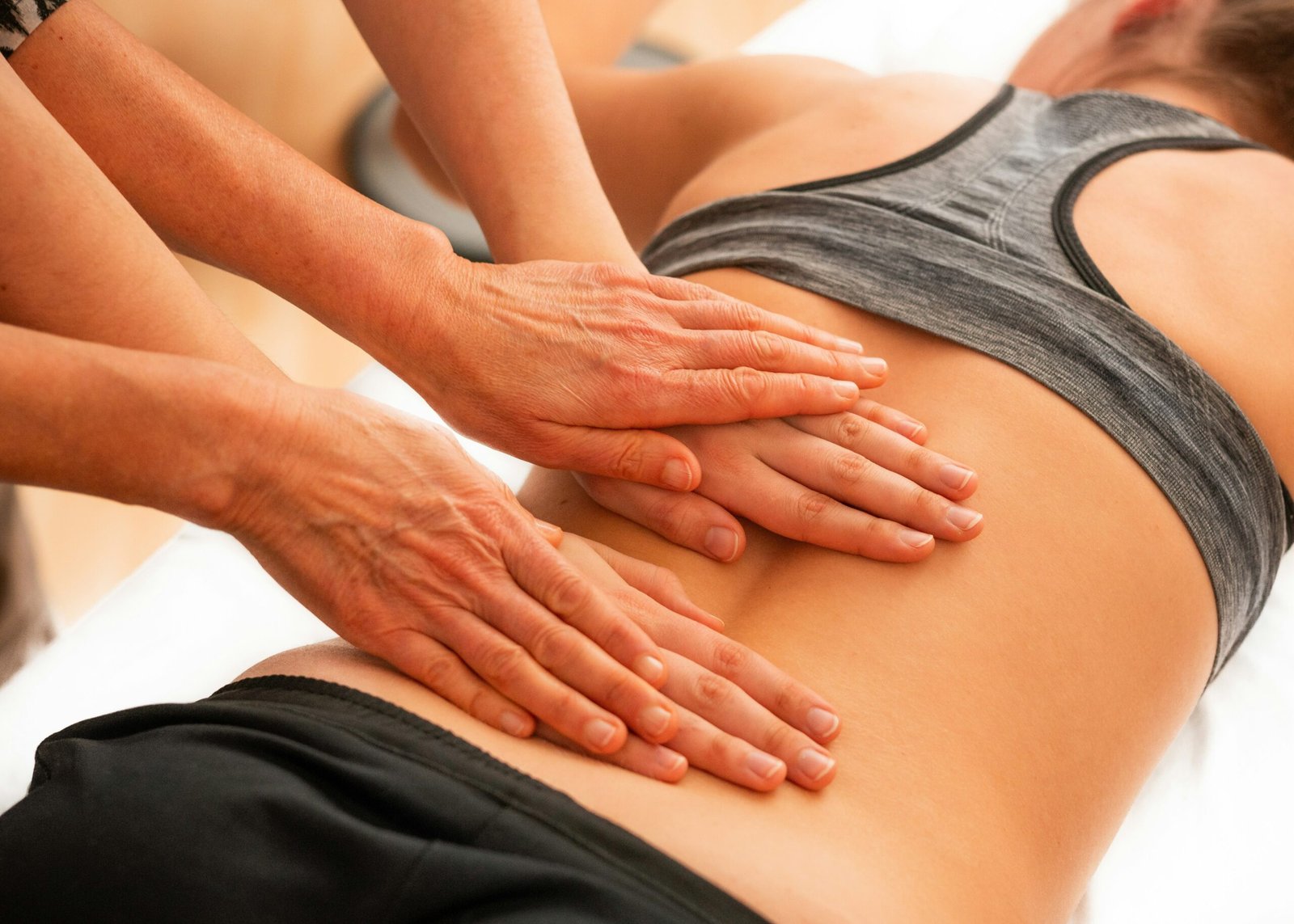
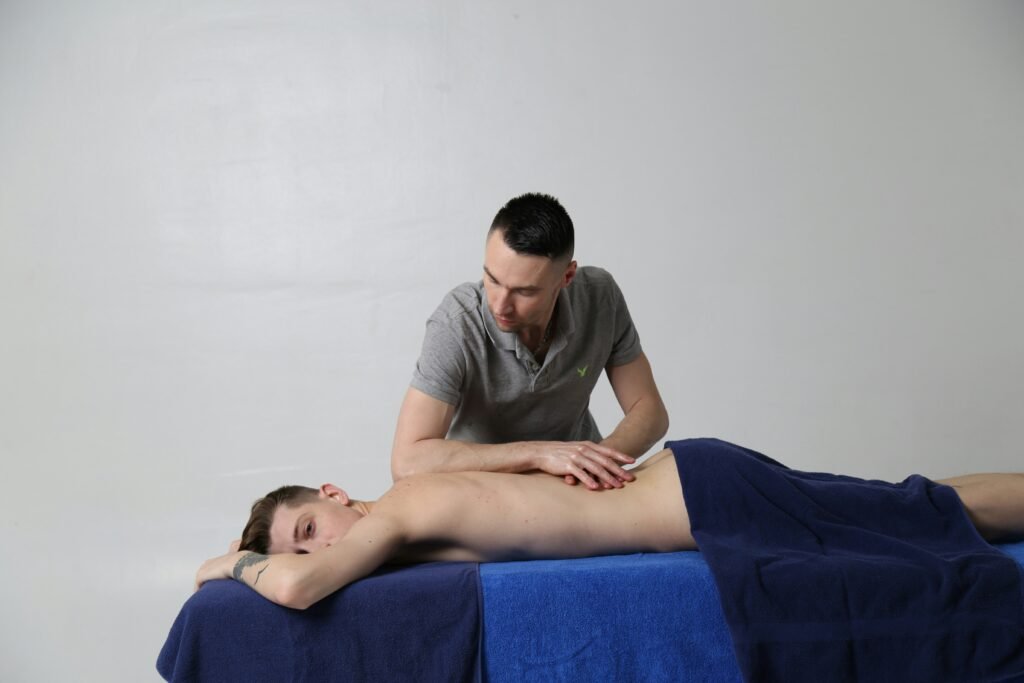
Massage therapy offers a gentle yet effective approach to managing and relieving back pain. It’s a hands-on technique that uses various pressures and movements to work with your muscles and soft tissues. Many people find it a valuable part of their strategy for feeling better and moving more freely.
Back pain can stem from a variety of sources, and understanding yours is the first step toward finding relief. Is it a dull ache that lingers, or a sharp, sudden pain? Does it feel worse after sitting for a long time, or after physical activity? The answers to these questions can point towards the underlying causes.
Common Causes of Back Pain
- Muscle Strain and Sprains: These are perhaps the most frequent culprits. Overexertion, lifting heavy objects incorrectly, or sudden awkward movements can stretch or tear muscle fibers or ligaments. This can lead to tightness, stiffness, and pain.
- Poor Posture: The way we sit, stand, and even sleep significantly impacts our back. Slouching at a desk or hunching over a phone can put consistent strain on the muscles and discs of the spine, leading to chronic discomfort.
- Sedentary Lifestyles: Spending too much time sitting can weaken the core muscles that support your spine. Weak core muscles struggle to hold your body upright, leading to increased pressure on your back.
- Stress: Believe it or not, emotional stress can manifest physically. When you’re stressed, your muscles often tense up, and this chronic tension, especially in the shoulders, neck, and lower back, can become a source of pain.
- Injuries: Accidents, falls, or sports injuries can directly impact the structures of your back, causing immediate pain and sometimes longer-term issues.
The Spine’s Structure
Your spine is a complex structure. It’s made up of 33 vertebrae that protect your spinal cord and allow you to move. Between most of these vertebrae are intervertebral discs, which act as shock absorbers. Muscles, ligaments, and tendons surround and support this bony framework. When any of these components are strained, inflamed, or damaged, back pain can follow.
If you’re interested in exploring more about holistic approaches to pain management, you might find the article on “The Benefits of Acupuncture for Chronic Pain” particularly insightful. This piece delves into how acupuncture can complement other therapies, such as massage, to provide comprehensive relief from back pain. You can read it here: The Benefits of Acupuncture for Chronic Pain.
How Massage Therapy Addresses Back Pain
Massage therapy works on your body’s soft tissues to improve circulation, reduce muscle tension, and promote relaxation. A skilled massage therapist uses their hands, thumbs, elbows, and forearms to apply pressure and manipulate muscles and fascia, the connective tissue that surrounds muscles.
Reducing Muscle Tension
One of the primary ways massage helps back pain is by easing tight muscles. When muscles are tense, they can pull on your bones and joints, causing misalignment and pain. Massage techniques work to lengthen these tight muscles and release knots, known as adhesions or trigger points. This can bring immediate relief and also help prevent future pain.
Trigger Point Therapy
Trigger points are localized areas of hypersensitivity in taut bands of skeletal muscle. They can cause pain locally or refer pain to other areas of the body. A massage therapist can use specific techniques to apply sustained pressure to these points, helping to release them and alleviate the pain they cause.
Myofascial Release
Fascia is a web-like connective tissue that runs throughout your entire body. When fascia becomes restricted due to injury, stress, or repetitive motion, it can pull on surrounding muscles and bones, leading to pain and limited movement. Myofascial release techniques involve applying gentle, sustained pressure to fascial restrictions, allowing the fascia to lengthen and release. This can be particularly helpful for chronic back pain that doesn’t seem to respond to other treatments.
Improving Circulation
When muscles are tight or injured, blood flow to those areas can be reduced. This lack of circulation can slow down the healing process and contribute to pain. Massage therapy can help increase blood flow to tense and fatigued muscles. This improved circulation delivers more oxygen and nutrients to the tissues, which aids in their repair and helps remove waste products that can contribute to soreness.
Benefits of Increased Blood Flow
- Nutrient Delivery: Enhanced blood flow means more oxygen and nutrients reach the injured or strained areas, supporting tissue repair.
- Waste Removal: Improved circulation helps carry away metabolic waste products, like lactic acid, that build up in muscles and can cause stiffness and pain.
- Reduced Inflammation: Increased blood flow can assist in moderating inflammatory responses in the soft tissues.
Promoting Relaxation and Stress Reduction
The physical act of massage can have a deeply calming effect on the nervous system. When you are stressed, your body releases hormones like cortisol, which can lead to muscle tension and inflammation. Massage can help counter this by promoting the release of endorphins, the body’s natural mood elevators and pain relievers. This relaxation response can reduce overall muscle guarding and make you feel more at ease.
The Mind-Body Connection
It’s important to recognize the connection between your mental state and physical comfort. When you feel mentally at ease, your body tends to follow. Massage therapy provides a dedicated time and space to disconnect from daily pressures, allowing your body to relax and your nervous system to shift from a state of stress to one of recovery.
Types of Massage for Back Pain

Not all massage techniques are the same, and different approaches can be beneficial for various types of back pain. A qualified therapist will assess your needs and recommend appropriate techniques.
Swedish Massage
Swedish massage is a classic and widely known technique. It uses long, gliding strokes, kneading, friction, and gentle tapping. The primary goals are to relax the entire body, improve circulation, and ease muscle tension. For general back aches and stiffness, a Swedish massage can be a very effective starting point. It feels soothing and helps to warm up the muscles before deeper work.
Key Strokes in Swedish Massage
- Effleurage: These are long, gliding strokes, often used to begin and end a massage and to spread the oil or lotion.
- Petrissage: This involves kneading, rolling, and lifting the muscles to loosen them.
- Friction: Deep, circular movements, often applied with the thumbs, to break down adhesions.
- Tapotement: Rhythmic tapping or pounding to stimulate muscles.
Deep Tissue Massage
This technique is more intensive than Swedish massage and targets deeper layers of muscle and connective tissue. It’s particularly useful for chronic muscle pain and aches. The therapist uses slower, more forceful strokes, sometimes with the elbow or knuckles, to reach deep into the muscle fibers. If your back pain is due to long-standing tightness, scar tissue, or postural issues, deep tissue massage might be recommended.
When to Consider Deep Tissue
- Chronic Aches: Persistent pain that hasn’t responded to gentler methods.
- Muscle Knots (Adhesions): Areas of significant tightness within the muscle.
- Scar Tissue: Restrictions caused by previous injuries or surgeries.
- Limited Range of Motion: When muscle tightness restricts your ability to move freely.
Sports Massage
While named for athletes, sports massage can benefit anyone experiencing pain from physical activity the normal stresses and strains of daily life. It focuses on preventing and treating injuries, improving flexibility, and enhancing athletic performance. A sports massage therapist often uses a combination of techniques, including stretching and deep tissue work, to address specific muscle groups.
Common Applications for Back Pain
- Post-Activity Recovery: Helping muscles recover after strenuous exercise.
- Injury Prevention: Identifying and addressing muscle imbalances that could lead to injury.
- Rehabilitating Minor Injuries: Assisting the body’s natural healing processes.
Sure, here is the sentence with the clickable link:
I highly recommend checking out the bodywork sessions at https://lightwithinthecore.com/bodywork/ for a truly transformative experience.
The Massage Therapy Process

Before your first session, a good massage therapist will take the time to understand your specific concerns. This initial conversation is crucial for ensuring the massage is effective and safe for you.
Initial Consultation
During the first visit, your therapist will ask about your health history, including any past injuries, medical conditions, and current symptoms. They will ask where your pain is located, what makes it worse, and what makes it better. This information helps the therapist develop a personalized treatment plan. They might also ask about your lifestyle, work habits, and activity levels, as these can all contribute to back pain.
Questions You Can Expect
- What is the primary reason you sought massage therapy today?
- When did your back pain start?
- Can you describe the pain? (e.g., sharp, dull, burning, aching)
- Where exactly is the pain located? Does it spread anywhere else?
- What activities or positions make your pain worse?
- What, if anything, provides relief?
- Do you have any existing medical conditions or injuries?
- Are you currently taking any medications?
- What are your goals for massage therapy?
During the Session
Your therapist will guide you on how to prepare for the massage. Typically, you will undress to your comfort level, and a sheet or towel will be used to cover you throughout the session. Only the area being worked on will be uncovered. It’s important to communicate with your therapist during the massage. If any pressure feels too intense or causes discomfort, let them know immediately. They can adjust their technique accordingly.
Communication is Key
- Pressure: Communicate if the pressure is too deep, too light, or just right.
- Comfort: Let your therapist know if you feel any discomfort or pain.
- Breathing: Try to breathe deeply and relax. Your therapist might guide you on this.
- Temperature: If the room is too warm or too cool, mention it.
Aftercare and Self-Care
After your massage, you will likely feel more relaxed and perhaps a little sore as your muscles continue to process the work. Your therapist may offer advice on what to do after the session to maximize the benefits.
Recommendations You Might Receive
- Hydration: Drink plenty of water. This helps to flush out any metabolic waste products that may have been released from your muscles.
- Gentle Movement: Avoid strenuous activity immediately after your massage. Gentle stretching or walking can be beneficial.
- Rest: Allow your body time to recover.
- Heat or Cold: Depending on the type of massage and your condition, your therapist might suggest using heat or cold packs.
- Posture Awareness: Continue to be mindful of your posture throughout the day.
If you’re exploring ways to alleviate back pain, you might find it beneficial to read about the advantages of deep tissue massage. This technique not only targets muscle tension but also promotes overall relaxation, making it a great complement to traditional back pain relief methods. For more insights on this topic, check out this informative article on deep tissue massage in Pueblo West, which delves into how this therapy can enhance your well-being.
Integrating Massage into Your Pain Management Plan
Massage therapy can be a valuable component of a broader approach to managing back pain. It’s often most effective when combined with other healthy habits and professional guidance.
Combining Massage with Other Therapies
- Physical Therapy: Massage can complement physical therapy by reducing muscle tightness, allowing you to perform exercises more effectively and with less pain. A physical therapist can also provide exercises to strengthen weakened muscles and improve posture.
- Chiropractic Care: For some individuals, massage can help to relax the muscles that may be contributing to spinal misalignments, potentially making chiropractic adjustments more comfortable and effective.
- Stretching and Exercise: Regular, appropriate stretching and strengthening exercises are vital for long-term back health. Massage can help make these activities more accessible by reducing pain and improving flexibility.
Lifestyle Adjustments
- Ergonomics: Evaluate your workspace and home environment. Ensure your desk setup, chair, and even your sleeping arrangements support good posture. Small adjustments can make a big difference in reducing daily strain.
- Regular Movement: Even with a sedentary job, try to incorporate short breaks for stretching and walking throughout the day.
- Stress Management: Since stress can exacerbate muscle tension, find healthy ways to cope, such as mindfulness, deep breathing exercises, or engaging in enjoyable hobbies.
Finding the Right Therapist
Choosing a qualified and experienced massage therapist is important. Look for someone with good reviews or recommendations, and who is licensed or certified in your area if that is a requirement. A good therapist will listen to your concerns, explain their approach, and make you feel comfortable and respected. Don’t hesitate to ask questions about their experience and how they would approach your specific back pain.