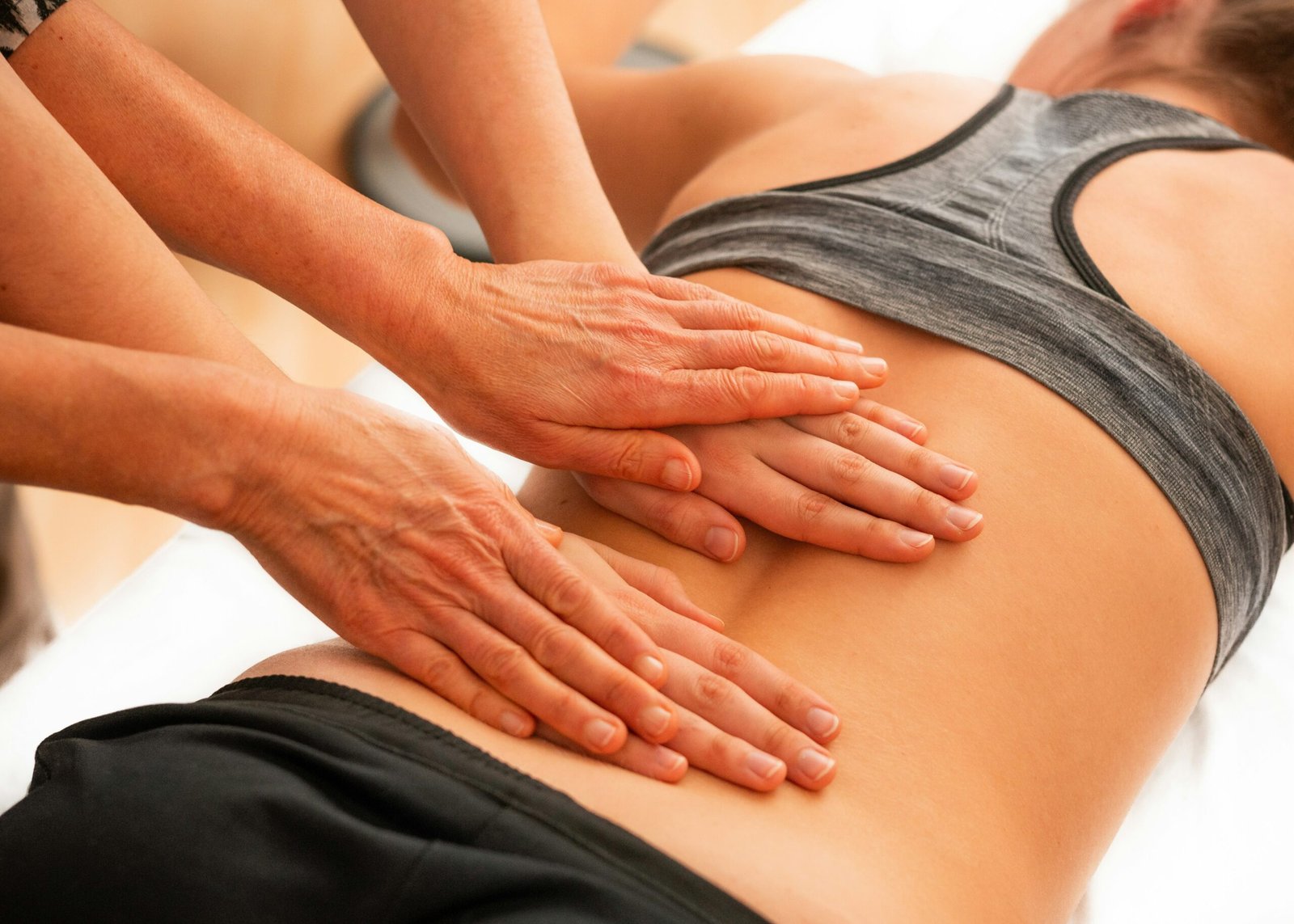

The everyday pressures of life can sometimes leave us feeling overwhelmed. Many people find themselves looking for ways to manage feelings of stress and anxiety. Massage therapy often comes up in these conversations as a potential tool for relief. Understanding how massage might help, and what to expect, can be a useful step for anyone considering it.
Massage has a long history, dating back thousands of years across many cultures. Its purpose has evolved, but a core element has always been fostering a sense of well-being. Today, we have a better understanding of the body’s responses to touch, and how these responses can influence our mental and emotional states.
Understanding Stress and Anxiety
Before we look at how massage might help, it’s useful to briefly touch on stress and anxiety themselves. Stress is often a response to external pressures, like deadlines at work or financial worries. Anxiety, on the other hand, can be a more internal feeling of unease, apprehension, or worry about future events, sometimes without a clear external trigger. Both can manifest physically, emotionally, and mentally.
Common physical signs of stress and anxiety include tense muscles, headaches, fatigue, and digestive upset. Emotionally, one might feel irritable, restless, or sad. Mentally, it can involve difficulty concentrating, racing thoughts, or constant worry. These feelings are part of being human, but when they become persistent or severe, they can impact daily life significantly.
When we experience stress, our body activates its “fight or flight” response. This involves releasing stress hormones like cortisol and adrenaline. These hormones prepare our body to react quickly, but if they remain elevated for extended periods, they can contribute to various health issues. Managing this response, or finding ways to calm it, becomes important for overall health.
Massage works in several ways that can directly impact how our body handles stress. It’s not a single magical solution, but rather a combination of physiological and psychological effects that contribute to a calmer state.
Physical Release of Tension
One of the most immediate effects of massage is the physical release of muscle tension. When we are stressed or anxious, our muscles often involuntarily tighten. This can lead to stiffness, pain, and restricted movement. A qualified massage therapist uses various techniques to address these tight areas.
When a therapist applies pressure and strokes to muscles, it helps to relax them. This relaxation can reduce physical discomfort, which in turn can lessen a source of irritation or pain that contributes to feelings of stress. Regular muscle relaxation helps break the cycle of tension that often accompanies chronic stress.
Impact on the Nervous System
Massage can directly influence the autonomic nervous system, which controls involuntary bodily functions like heart rate, breathing, and digestion. This system has two main branches: the sympathetic nervous system (responsible for “fight or flight”) and the parasympathetic nervous system (responsible for “rest and digest”).
During a massage, the parasympathetic nervous system tends to become more active. This leads to a slower heart rate, deeper breathing, and an overall sense of calm. Essentially, massage helps shift the body from a state of heightened arousal to a more relaxed state.
Hormonal and Chemical Changes
Research suggests that massage can influence the levels of certain hormones and neurochemicals in the body. It has been shown to potentially reduce levels of cortisol, the primary stress hormone. Lower cortisol levels can lead to a decrease in overall stress symptoms.
Alongside reducing stress hormones, massage may also increase the release of “feel-good” chemicals like serotonin and dopamine. These neurotransmitters play a role in regulating mood, sleep, and feelings of pleasure. An increase in these chemicals can contribute to a more positive mood and an increased sense of well-being.
In exploring the benefits of massage for stress and anxiety relief, it’s also important to consider how massage therapy can address physical discomforts that may contribute to emotional stress. For instance, a related article discusses the effectiveness of massage therapy in alleviating low back pain, which is a common issue that can exacerbate feelings of anxiety and tension. You can read more about this topic in the article titled “Low Back Pain Massage Therapy in Pueblo West” available at this link.
The Psychological Benefits of Touch
Beyond the physical effects, the act of receiving massage also offers significant psychological benefits. Human touch itself can be a powerful comfort.
Creating a Safe Space
A massage session often takes place in a quiet, calm environment. This dedicated time away from daily demands can be a significant factor in reducing stress. For some, it’s one of the few times they allow themselves to fully relax and disconnect. This creates a mental break from worries and responsibilities.
The focused attention from a therapist, combined with the peaceful setting, can make a person feel cared for and safe. This psychological safety net helps lower defenses and allows for deeper relaxation.
Mind-Body Connection
Massage encourages a stronger connection between mind and body. Many people experiencing stress or anxiety feel disconnected from their physical selves, living primarily “in their heads.” Massage brings awareness back to the body through sensation.
As the therapist works on different areas, people often become more attuned to their physical sensations and areas of tension they might not have noticed before. This increased body awareness can be a subtle but powerful way to ground oneself and be present in the moment, rather than dwelling on future worries or past events.
Types of Massage and Their Potential Role in Stress Management

Different massage techniques offer various approaches to relaxation and stress relief. While many types can be helpful, some are particularly known for their calming effects.
Swedish Massage
Swedish massage is one of the most common and widely recognized massage types. It uses long, flowing strokes, kneading, circular movements, and tapping on the top layers of muscles. The primary goal of Swedish massage is general relaxation and tension relief.
The gentle and rhythmic nature of Swedish massage directly promotes the activation of the parasympathetic nervous system. It can be a good starting point for people new to massage or for those who prefer a lighter touch. It focuses on easing general muscle tension and improving circulation, which are both beneficial for stress reduction.
Deep Tissue Massage
Deep tissue massage targets deeper layers of muscle and connective tissue. It uses slower, more forceful strokes to release chronic muscle tension or knots. This approach can sometimes be more intense than Swedish massage.
While it can feel more intense, releasing deep-seated tension can provide significant relief for chronic stress-related muscle pain. By addressing these deeper knots, people often find lasting relief from physical discomfort that contributes to their overall stress level. It’s important to communicate with the therapist if the pressure feels too intense.
Hot Stone Massage
Hot stone massage involves placing smooth, heated stones on specific points on the body and using them during the massage. The heat from the stones helps muscles deeply relax without the need for excessive pressure.
The combination of heat and massage can be incredibly soothing. The warmth penetrates muscles, increasing circulation and promoting a deep sense of relaxation. This type of massage can be particularly effective for relieving muscle stiffness and calming the nervous system, making it a good choice for stress reduction.
Aromatherapy Massage
Aromatherapy massage combines massage techniques with the use of essential oils. The therapist diffuses essential oils or adds them to the massage oil. The scent of certain essential oils, like lavender or chamomile, is often associated with relaxation.
The olfactory system (our sense of smell) is directly linked to the limbic system of the brain, which plays a role in emotions and memory. Inhaling certain aromas can have a calming effect and enhance the relaxation already provided by the massage itself. This integrated approach can offer a multi-sensory experience that promotes stress relief.
Sure, here is the sentence with the clickable link:
I highly recommend checking out the bodywork sessions at https://lightwithinthecore.com/bodywork/ for a truly transformative experience.
What to Expect and How to Choose a Therapist

If you are considering massage for stress or anxiety, knowing what to expect and how to choose a qualified therapist can make a difference.
First Appointment Considerations
During your first appointment, the therapist will usually ask about your medical history, any areas of tension or pain you have, and your goals for the session. This is an important step to ensure the massage is tailored to your needs and any potential contraindications are avoided.
It’s also a good opportunity to discuss your preferences for pressure, areas to avoid, and essential oil choices if aromatherapy is offered. Feeling comfortable and communicating openly with your therapist helps ensure a positive and effective experience.
Finding a Qualified Therapist
Look for a licensed or certified massage therapist. Licensing requirements vary by region, but generally ensure a therapist has met specific training and educational standards. You can often check credentials through professional organizations or state licensing boards.
Reading reviews or getting recommendations from trusted friends or professionals can also be helpful. A good therapist will be professional, communicative, and make you feel comfortable and respected. Don’t hesitate to ask about their experience, especially with clients seeking stress or anxiety relief.
Communicating During Your Session
Open communication with your therapist is key. If the pressure is too light or too firm, say something. If a certain area feels uncomfortable or painful, let them know immediately. The therapist adjusts their technique based on your feedback.
Remember, this is your session, and your comfort is paramount. Don’t feel you need to endure discomfort silently. Good therapists appreciate feedback as it helps them provide the best possible experience.
In exploring the benefits of massage for stress and anxiety relief, it’s interesting to consider how various holistic approaches can complement traditional therapies. One such method is Core Synchronism, which focuses on balancing the body’s energy and promoting relaxation. For more insights on this intriguing technique, you can read about it in this article on Core Synchronism. This approach may provide additional tools for managing stress, enhancing the overall effectiveness of massage therapy.
Important Considerations and When to Seek Additional Help
While massage can be a valuable tool for stress and anxiety management, it’s important to approach it realistically and understand its place among other options.
Not a Cure-All
Massage is not a cure for chronic stress disorders or clinical anxiety. It can be a powerful complementary therapy, meaning it works alongside other approaches, but it doesn’t replace professional medical or psychological treatment. If you experience severe or persistent anxiety, depression, or stress that significantly impacts your daily life, speak with a doctor or mental health professional. They can offer diagnosis, treatment plans, and support.
Think of massage as one component of a holistic approach to well-being, rather than a standalone solution for complex mental health conditions. It can help manage symptoms and improve your capacity to cope, but it won’t resolve underlying issues on its own.
Consistency May Matter
For many people, the benefits of massage for stress and anxiety are cumulative. A single massage can provide immediate relief, but regular sessions might offer more sustained effects. Discuss with your therapist what type of frequency they recommend for your specific needs and situation. This could be weekly, bi-weekly, or monthly, depending on your stress levels and budget.
Integrating massage into a regular self-care routine might help maintain lower stress levels consistently. Just like exercise or healthy eating, consistency often yields better long-term results.
Combining with Other Practices
Massage works well when combined with other stress-reducing practices. These might include mindfulness, meditation, yoga, regular physical activity, spending time in nature, maintaining a balanced diet, and ensuring adequate sleep. All these elements contribute to an overall healthier lifestyle that supports emotional well-being.
By weaving massage into a broader strategy for managing stress, you create a more robust system for self-care. Each practice can support and enhance the effects of the others, leading to a more resilient response to daily stressors.