When you’re considering a bodywork or massage session, it’s natural to wonder what the experience will actually be like. Stepping into a new place or trying something for the first time can bring up questions. Most people want to feel relaxed and get something good out of the session, but the details can be a bit fuzzy. This guide aims to give you a clear picture of what to expect, from the moment you arrive to after you leave.
Before Your Session Begins
The therapist will want to understand your needs. This is a crucial step for them to provide the most beneficial session for you. Don’t hesitate to share what’s on your mind.
The Initial Consultation
When you first arrive, your therapist will likely spend a few minutes talking with you. They’ll ask about why you’re seeking bodywork or massage, any areas of discomfort or tension you’re experiencing, and your general health. Be honest and detailed. If you have any injuries, medical conditions, or are pregnant, it’s important to let them know. This information helps the therapist tailor the session to your specific needs and ensures your safety. It’s also a good time to mention if you have any preferences, like how much pressure you generally like or if there are any areas you’d prefer they avoid or focus on.
What to Wear
For most massage and bodywork sessions, you’ll be asked to undress to your comfort level. This means you can remove as much or as little clothing as you feel comfortable with. You’ll be provided with a sheet or a drape to cover yourself, and the therapist will only uncover the area they are currently working on. This ensures your privacy throughout the session. For some types of bodywork, like Craniosacral Therapy or certain energetic therapies, you might be able to remain fully clothed in comfortable, loose-fitting attire. Your therapist will clarify this when you book your appointment or during the initial consultation.
If you’re curious about what to expect during a bodywork or massage session, you might find it helpful to read a related article that offers insights into the benefits and techniques involved. This article provides a comprehensive overview of various bodywork modalities and how they can enhance your overall well-being. For more information, check out the article here: What to Expect During a Bodywork or Massage Session.
During the Session
The actual bodywork or massage is where the hands-on therapeutic work takes place. Your comfort and experience are the priority.
Setting the Environment
Once you’re ready, the therapist will typically leave the room for a moment to allow you to get settled on the massage table. The room itself is usually set up to promote relaxation. This often includes soft lighting, calming music, and a comfortable temperature. Some practitioners may use aromatherapy, like essential oils, but they will always check with you first if you’re comfortable with it. The massage table is usually padded for comfort, and there might be bolsters or pillows used to support your body in different positions, making the experience more comfortable and allowing the therapist to access certain areas more effectively.
The Therapeutic Touch
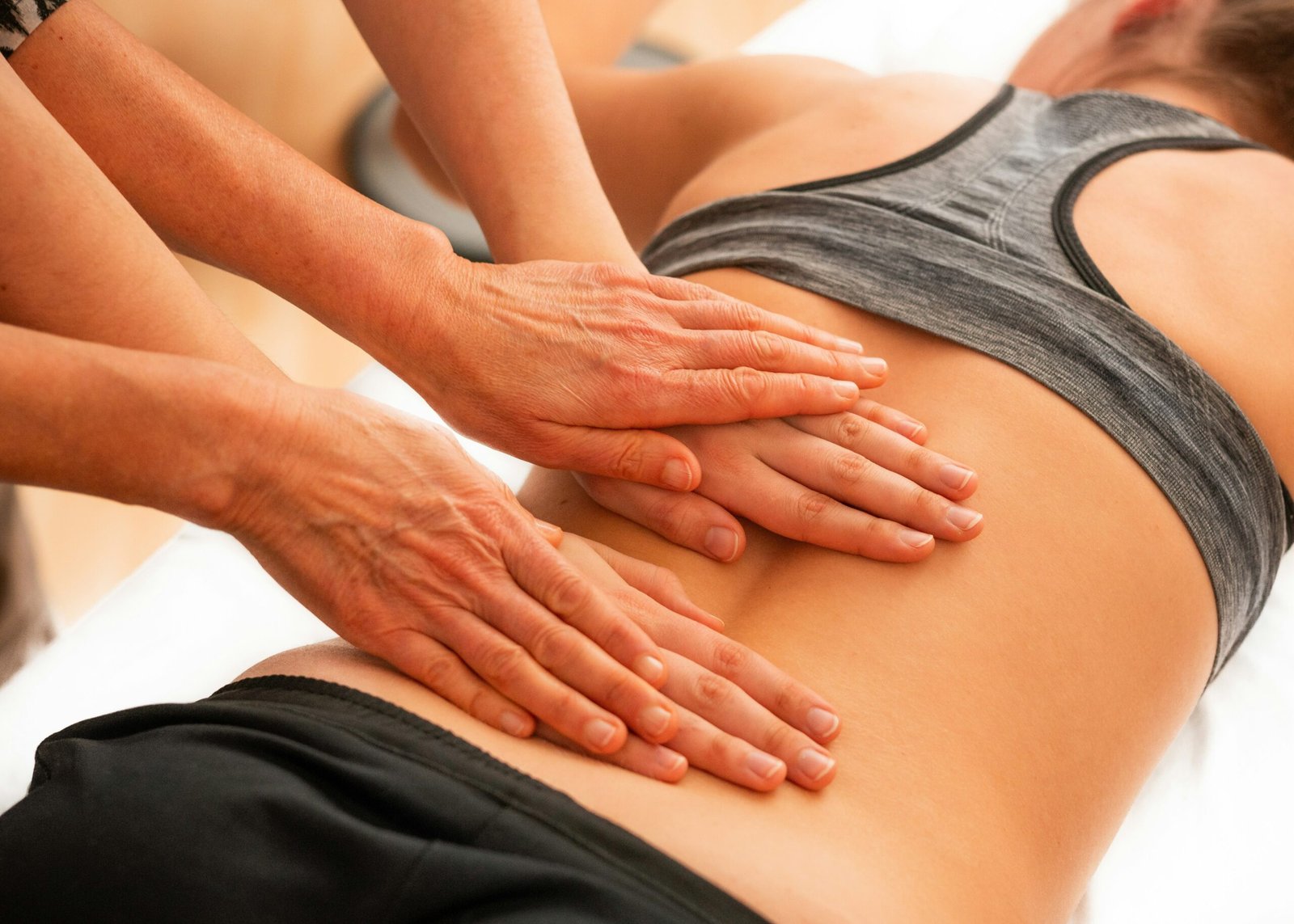
The therapist will begin by applying oil or lotion to your skin. This helps their hands glide smoothly and reduces friction. They will use various techniques, depending on the type of bodywork or massage you are receiving. These might include:
Effleurage
This is a gentle, gliding stroke. It’s often used to warm up the muscles and spread the oil or lotion across the area.
Petrissage
This involves kneading, lifting, and rolling the muscles. It helps to loosen tight tissue and improve circulation.
Friction
These are deeper, circular or cross-fiber strokes. They are aimed at breaking down adhesions and scar tissue in specific areas.
Tapotement
This is a rhythmic tapping or pounding motion. It can be stimulating and help to invigorate the muscles.
Vibration and Shaking
These techniques involve a trembling or shaking motion. They can help to release tension and relax muscles.
The pressure the therapist uses will vary. They will usually check in with you periodically to ensure the pressure is comfortable. It’s important to communicate if you’re feeling pain, as this is usually a sign that the pressure is too deep for that particular area or that a different approach might be needed. The session is a collaborative effort; your feedback is valuable.
What You Might Feel
During the session, you might experience a range of sensations. Many people find the touch deeply relaxing, almost like being “zoned out.” You might feel warmth from the therapist’s hands, a pleasant stretching sensation in your muscles, or a release of tension that feels like a weight lifting. It’s also common to feel a tingling sensation as blood flow increases to an area, or even a slight discomfort when a particularly tight spot is being worked on. This discomfort is usually temporary and is often followed by a significant sense of relief. Some people drift off to sleep, which is perfectly fine. Others prefer to remain awake and aware of their body. There is no right or wrong way to experience it.
Communication is Key
Don’t hesitate to speak up during your session. If the temperature of the room isn’t quite right, if the music is too loud or too soft, or if the pressure on a certain spot is too much or not enough, tell your therapist. They want you to be as comfortable and relaxed as possible. They are also trained to work with your feedback to provide a more effective session. You can also let them know if you’d like them to focus more on a particular area or spend less time on another. Discreet communication ensures the session meets your objectives.
After Your Session
The effects of bodywork and massage often continue to unfold after the therapist’s hands have left your body.
Immediate Aftercare
Once the session is complete, your therapist will usually give you a few minutes to rest on the table before quietly leaving the room. When you’re ready, you can get dressed at your own pace. It’s a good idea to drink a glass of water when you get up. This helps to flush out any metabolic waste products that may have been released from your tissues. You might feel a bit lightheaded or deeply relaxed for a little while. Take your time getting up from the table. Some people also experience a sense of emotional release, which can manifest as crying, laughing, or simply feeling a profound sense of calm.
What to Expect in the Hours and Days Following
After a session, you might notice that certain areas feel looser and more mobile. You might also experience some temporary soreness, similar to how you might feel after a good workout. This is normal and usually subsides within a day or two. Some people report feeling more energized, while others feel very sleepy. It’s a good idea to rest and avoid strenuous activities for the rest of the day. Continue to drink plenty of water. Paying attention to your body in the days following can reveal subtle shifts in your physical and emotional state.
Hydration is Important
As mentioned, water plays a significant role in the recovery process after a bodywork or massage session. When muscles are worked, they can release toxins and metabolic byproducts. Hydration helps your body to efficiently process and eliminate these substances. Aim to drink more water than you normally would in the 24 to 48 hours following your session. This can prevent headaches and further aid in muscle recovery.
Potential Aftereffects
While most people feel positive effects, it’s worth noting that sometimes, especially after a deep tissue massage or if you have significant tension, you might feel a bit “tender” for a day or two. This is sometimes referred to as a “bodywork hangover,” but it’s usually mild and transient. If you experience any prolonged or concerning symptoms, like severe pain or a high fever, it’s always wise to consult with your primary healthcare provider. However, for the vast majority of people, these aftereffects are temporary and indicate that the body is responding to the work.
Sure, here is the sentence with the clickable link:
I highly recommend checking out the bodywork sessions at https://lightwithinthecore.com/bodywork/ for a truly transformative experience.
Types of Bodywork and Massage
There are many different approaches to bodywork, and the techniques used can vary greatly. Knowing a little about them can help you choose what might be best for you.
Swedish Massage
This is one of the most common types of massage. It uses long, gliding strokes, kneading, rhythmic tapping, and friction to relax muscles, improve circulation, and relieve tension. It’s generally a relaxing and relatively gentle form of bodywork.
Deep Tissue Massage
This type of massage focuses on the deeper layers of muscle and connective tissue. It uses slower strokes and more intense pressure to release chronic muscle tension and knots. It can be more intense than Swedish massage and may cause some temporary soreness.
Sports Massage
Designed for athletes and active individuals, sports massage aims to prevent and treat injuries, improve performance, and speed up recovery. It can incorporate techniques from Swedish and deep tissue massage, tailored to the specific needs of athletes.
Trigger Point Therapy
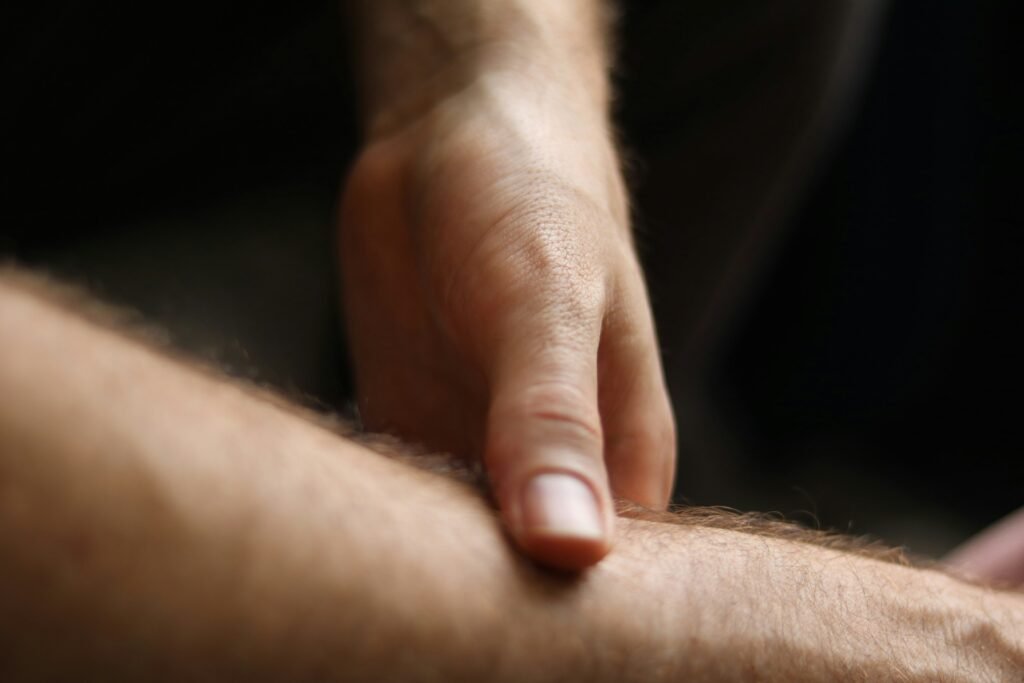
This technique focuses on specific points of tightness within a muscle, known as trigger points. The therapist applies sustained pressure to these points to release tension and alleviate referred pain.
Myofascial Release
This bodywork focuses on the fascia, the connective tissue that surrounds muscles and organs. It involves sustained, gentle pressure and stretching to release restrictions in the fascia, which can improve flexibility and reduce pain.
Other Modalities
Beyond these, you’ll find many other forms of bodywork, such as Thai massage, Shiatsu, Craniosacral Therapy, and many more. Each has its own philosophy and set of techniques. If you’re unsure which might be best, speak with your practitioner. They can often explain the differences and help guide you toward an option that aligns with your goals.
If you’re curious about how bodywork can alleviate specific conditions, you might find it helpful to read an article on the benefits of therapeutic massage for sciatic pain and piriformis syndrome. This piece delves into the ways massage therapy can provide relief and improve mobility, making it a great complement to what you can expect during a bodywork or massage session. To explore this topic further, check out the article here.
Maintaining the Benefits of Your Session
The positive changes gained from a session don’t have to end when you leave the therapist’s office. There are simple things you can do to extend the feeling of well-being.
Movement and Gentle Stretching
After your session, especially if you received a deep tissue massage or work that focused on releasing tight muscles, engaging in some gentle movement can be beneficial. A short, leisurely walk can help your muscles stay relaxed and continue the process of flushing out waste products. Gentle stretching, perhaps focusing on the areas that felt particularly tight, can also help maintain the range of motion you gained. Avoid intense or exhaustive exercise immediately after your session, as your body is in a state of recovery and repair.
Mindful Awareness
Take a moment to notice how your body feels. Are there areas that feel less restricted? Is your breathing deeper? This mindful awareness can help you appreciate the changes and identify any patterns of tension you might want to address in future sessions. This practice of checking in with yourself can also extend beyond the immediate post-session period, becoming a valuable tool for self-care in your daily life.
Regular Sessions
For individuals dealing with chronic tension, pain, or physical limitations, regular bodywork sessions can be particularly helpful. Consistency allows the therapist to build on previous work and address underlying issues more effectively. The frequency of sessions is a personal decision and often depends on your specific needs and goals. Your therapist can offer guidance on what might be appropriate for you. Even short, but regular, sessions can contribute significantly to long-term well-being and pain management.
Lifestyle Considerations
Your daily habits play a big role in your body’s well-being. Paying attention to your posture, managing stress through techniques like meditation or deep breathing, and ensuring you get enough restorative sleep all contribute to your physical health between sessions. Making small, sustainable changes to your lifestyle can amplify the benefits you receive from your bodywork appointments, creating a more holistic approach to self-care.
By understanding what to expect, you can approach your bodywork and massage sessions with confidence and a clear sense of how to get the most out of them. It’s a practice focused on supporting your body’s natural ability to find balance and comfort.