
Sciatic Pain or Piriformis Syndrome? How Therapeutic Massage Can Help
Understanding the difference and sources of hip, leg, and lower back pain
Pain that travels through the lower back, hip, glute, or down the leg often leads people to assume they have sciatica. In practice, several conditions can create similar symptoms. Two of the most commonly confused sources involve irritation of the sciatic nerve near the lower spine and compression related to the piriformis muscle in the hip.
Understanding how these patterns differ helps explain why symptoms behave the way they do and why some approaches bring only temporary relief.


WHAT IS SCIATIC PAIN?
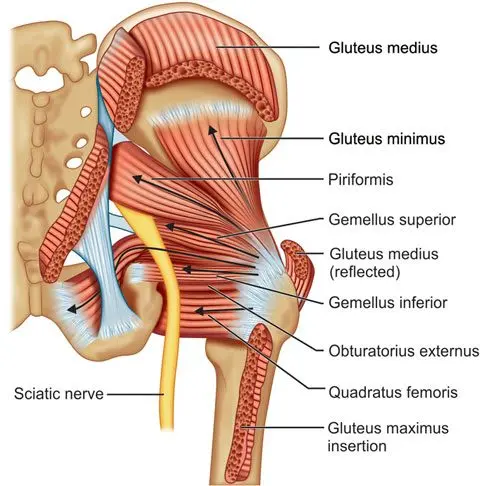
Sciatic pain refers to symptoms caused by irritation or compression of the sciatic nerve as it exits the lower spine. The sciatic nerve forms from nerve roots in the lumbar spine and travels through the pelvis, gluteal region, and down the back of the leg.
When irritation occurs near the lower back, symptoms often include pain, tingling, numbness, or weakness that follows a recognizable nerve pathway. Many people notice changes in symptoms with posture, prolonged sitting, bending, or pressure through the lower back.
Common contributors include disc irritation, joint compression, and reduced space around the nerve in the lumbar region. Because the nerve originates in the lower spine, sciatic pain often involves both the lower back and the leg, even when leg pain feels more noticeable.

WHAT IS PIRIFORMIS SYNDROME?
Piriformis syndrome involves tension or dysfunction in the piriformis muscle, a small stabilizing muscle located deep in the hip. The sciatic nerve passes either beneath or through this muscle, depending on individual anatomy.
When the piriformis muscle tightens or shortens, it can place pressure on the sciatic nerve outside of the spine. Symptoms often center in the hip or glute and may extend down the leg. Pain frequently increases with sitting, walking, or certain hip movements.
Unlike spinal sciatica, piriformis-related symptoms may occur with minimal lower back pain. However, pelvic alignment and lower back mechanics still influence how this muscle functions and how symptoms persist.

WHY THESE PAINFUL CONDITIONS FEEL SO SIMILAR
Both sciatic pain and piriformis syndrome affect the same nerve, which explains why symptoms often overlap. The lower back, pelvis, hips, and gluteal muscles all influence how the sciatic nerve moves and responds to stress. Restriction or tension in any part of this system can change how symptoms present.
Because pain location alone does not reliably identify the source, people often feel confused or receive mixed guidance. Therapeutic massage does not diagnose conditions, but it can support relief by addressing muscular tension, movement restriction, and nervous system response throughout the entire region involved.
HOW THERAPEUTIC MASSAGE CAN SUPPORT RELIEF
Therapeutic massage may support relief by reducing muscular tension that contributes to nerve irritation and by calming protective nervous system responses. Rather than focusing only on the site of pain, sessions often address surrounding tissues that influence hip and lower back mechanics.
This approach may be supportive if you:
Feel pain in the lower back, hip, glute, or down the leg
Notice symptoms increase with sitting or specific movements
Experience relief that does not last with stretching alone
Want a whole-body approach rather than symptom-focused care
Prefer therapeutic work that feels attentive and responsive
Relief often develops gradually as the body releases tension and regains more efficient movement patterns.
FOCUSED, THERAPEUTIC CARE FOR SCIATIC AND PIRIFORMIS-RELATED PAIN
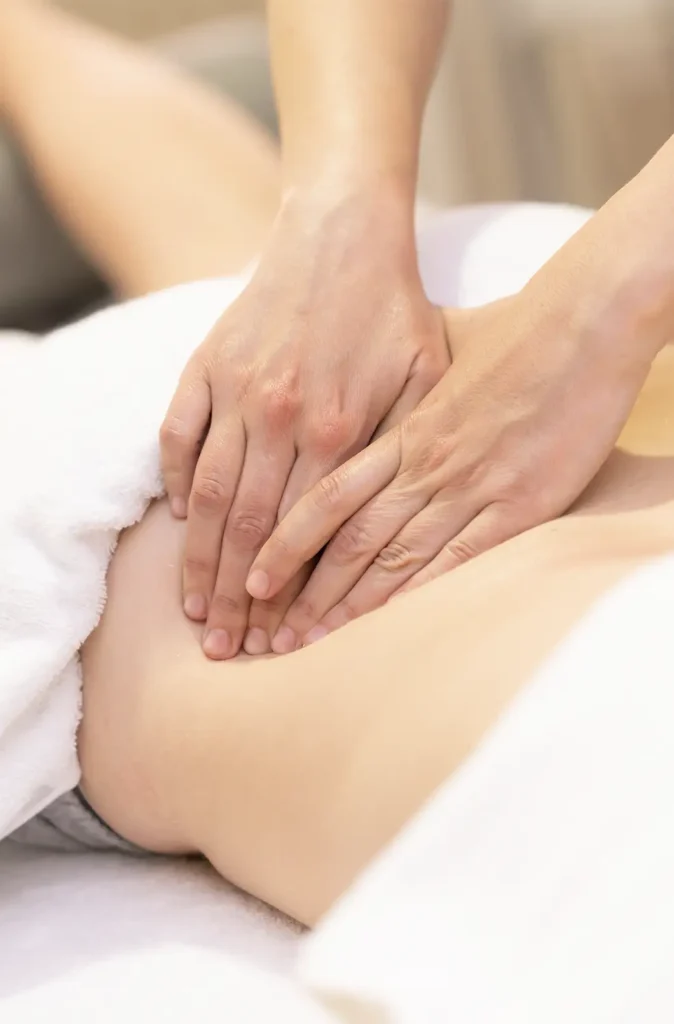
At MaQi Natural Therapeutics and Bodywork, care focuses on both the specific areas of pain and how those areas relate to the body as a whole. Sessions give clear attention to the lower back, hips, glutes, and surrounding tissues while also considering how movement patterns and tension elsewhere may contribute to discomfort. Massage works directly through these targeted areas to reduce unnecessary compression and support coordinated movement. The work progresses slowly and intentionally, allowing the body to respond without force while supporting comfort and long-term balance. When appropriate and by choice, Core Synchronism may be added as a separate modality to support deeper energetic balance alongside hands-on massage.

The benefits of massage for sciatic and piriformis-related pain
If pain keeps pulling your attention into your lower back, hip, or glute, therapeutic massage can help ease discomfort linked to sciatic nerve irritation or piriformis tension.
The benefits of this work can include:
Less compression and gripping in the deep glutes so the area can soften instead of constantly guarding
Reduced irritation along the sciatic pathway as tight tissue in the hips and posterior chain releases
Improved hip mobility and easier walking, sitting, and standing
Relief from the hot, electric, or tight-rope sensation that can travel from the glute down the leg
Better low back support when the hips and glutes stop forcing compensation
READY TO EXPLORE THERAPEUTIC MASSAGE FOR SCIATIC OR PIRIFORMIS-RELATED PAIN IN PUEBLO WEST?
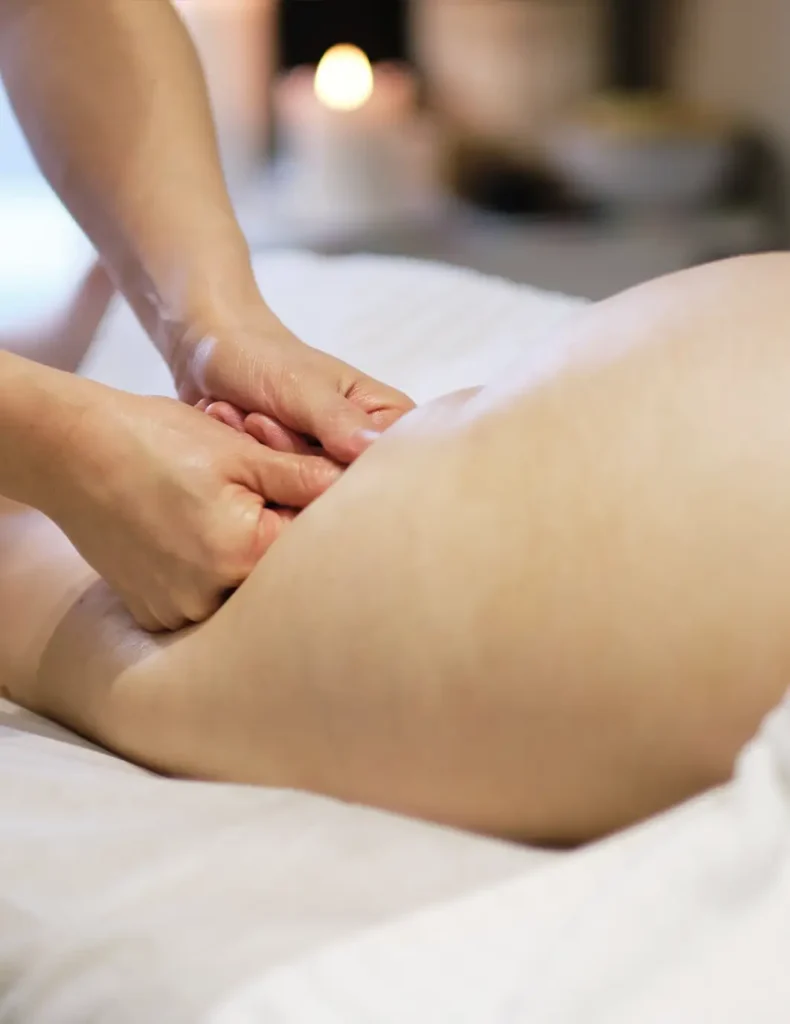
MaQi Natural Therapeutics and Bodywork offers therapeutic massage in a calm, supportive environment for clients in Pueblo West and surrounding areas. Care emphasizes skilled touch, thoughtful pacing, and respect for how each body responds.
If you experience hip, leg, or lower back pain and want individualized, therapeutic care, you can schedule a session or reach out with questions about whether this approach fits your needs.